Why storytelling works in email marketing
Facts tell stories sell
When it comes to email marketing, data and product features are important, but they’re not what makes customers click “buy.” People make purchasing decisions based on how they feel. That’s where storytelling comes in. It doesn’t just inform. It influences, persuades, and connects on a human level.
I’ve learned that people will forget what you said, people will forget what you did, but people will never forget how you made them feel.
– Maya Angelou
Email Marketing Tip:
Start your email with a story that evokes emotion. Whether it’s curiosity, empathy, excitement, or nostalgia. Then gently guide the reader toward how your product solves a need. This approach creates a natural flow from connection to conversion.
Why emotional engagement drives retention
When customers emotionally connect with a brand, they stick around. They open more emails, click more often, and buy repeatedly. Storytelling helps you tap into these emotions consistently, making your brand feel more like a friend than a company.
Actionable tip for eCommerce brands:
Use segmentation to personalize stories based on past purchases or browsing behavior. For instance, send different narrative angles to new customers vs. loyal repeat buyers. This makes your storytelling feel hyper-relevant and keeps readers coming back.
Types of stories ecommerce brands can tell
Founder or origin story
Every brand has a beginning. Sharing your “why” helps humanize your business and creates an authentic connection that no discount code ever could.
Strategy Behind It:
People love buying from people, not faceless entities. The founder’s journey reflects values, mission, and purpose. And that, in turn, builds trust naturally.
Pro Tip:
Use this story in your welcome email flow. Introduce new subscribers to the soul of your brand before they ever shop.
Customer stories and testimonials
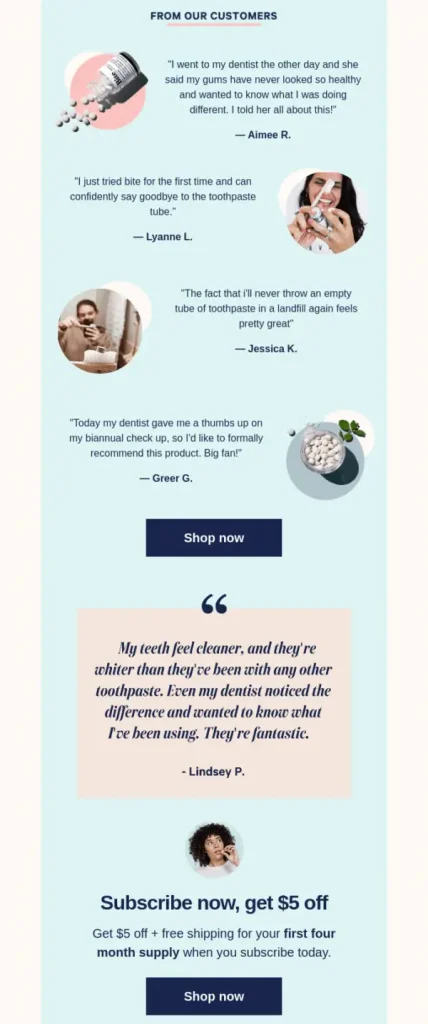
Social proof sells. Customer success stories give your brand third-party credibility while making prospects visualize their own transformation.
How to do:
Ask happy customers for testimonials, or better yet, interview them. Turn their responses into vivid mini-stories using their voice. Pair the story with a photo or video for added authenticity.
Product journey
Telling the story behind how your product is made gives customers more reasons to believe in its value. Especially when sustainability, craftsmanship, or ethical sourcing is involved.
Why It Works:
Consumers are increasingly values-driven. A behind-the-label story taps into their desire to make conscious choices.
Quick tip:
Use this kind of story in seasonal campaigns to promote limited editions or handcrafted items.
Behind-the-scenes or process
Pulling back the curtain builds transparency and personality. Whether it’s a team brainstorming session, packaging day, or photoshoot blooper. People love seeing the human side of your brand.
How to do:
Share BTS stories on slower sales days or during retention campaigns. They make great content for emails that are more about nurturing than selling.
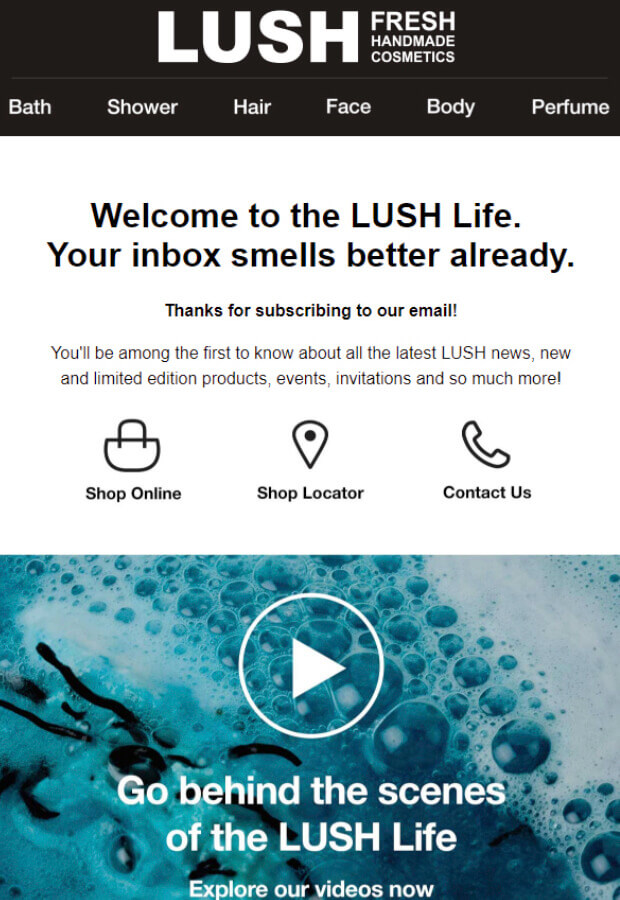
Seasonal or campaign-based narratives
Every campaign has a context. Use storytelling to bring your promotions to life. Like how your team celebrates a holiday or the inspiration behind a seasonal collection.
Pro Marketing Move:
Frame your seasonal offers as part of a larger narrative arc (e.g., “The Summer Escape Collection”) and run mini-stories throughout the campaign series.
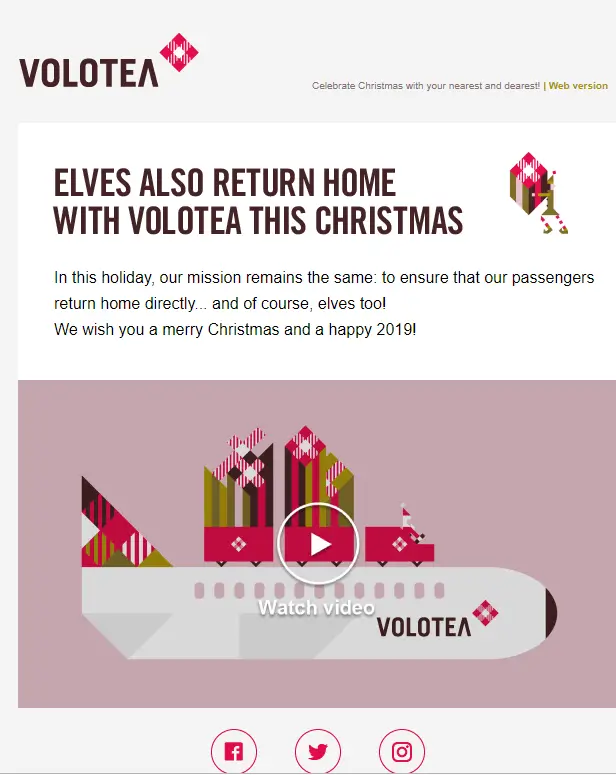
Structure of a great ecommerce email story
Hook → Conflict → Resolution → CTA
This classic storytelling structure gives your emails flow, focus, and purpose.
- Hook: The first line must grab attention or spark curiosity.
- Conflict: Highlight a relatable pain point or challenge.
- Resolution: Show how your product provided a transformation.
- CTA: End with a strong, clear action step (shop, learn more, etc.)
Tactical Advice:
Use cliffhangers or unexpected facts in your hook. Make your conflict specific and emotionally resonant. And never leave out the CTA—always guide the reader to what’s next.
Tie it to the product’s value
Every story should loop back to the product. You’re not just telling stories for engagement—you’re telling stories that sell.
Tips to Execute:
- Identify the core benefit of your product.
- Craft the resolution around that benefit.
- Use language that emphasizes the emotional outcome (e.g., peace of mind, confidence, joy).
Keep it brief but vivid
Long stories lose readers. Keep it tight, conversational, and emotionally rich. Use visual language and sensory cues to bring your product and message to life.
Execution Tip:
Write like you’re talking to one person, not a list. Use “you” and “your” to personalize the narrative. Stick to 2–3 sentence paragraphs for scannability.
Examples of story-driven ecommerce emails
Example 1: A founder’s note
Subject Line: “Why I created this brand…”
Body: “Three years ago, I hit rock bottom with my skin…”
CTA: “Read our story” or “Shop the product that started it all”
Takeaway: This builds brand origin connection. Best used in onboarding sequences.
Example 2: A customer testimonial story
Email Content: “After trying 10+ dog beds, we almost gave up. Until Max found this one…”
CTA: “See what makes it different”
Takeaway: Real-world proof sells better than claims. Use in post-purchase or re-engagement flows.
Example 3: A day in the life of the product
Concept: Walk readers through a real-life use case or daily routine with your product.
CTA: “Start your routine”
Takeaway: Helps potential customers visualize ownership. Perfect for high-consideration products.
Designing emails to highlight storytelling
Use images that reinforce emotion
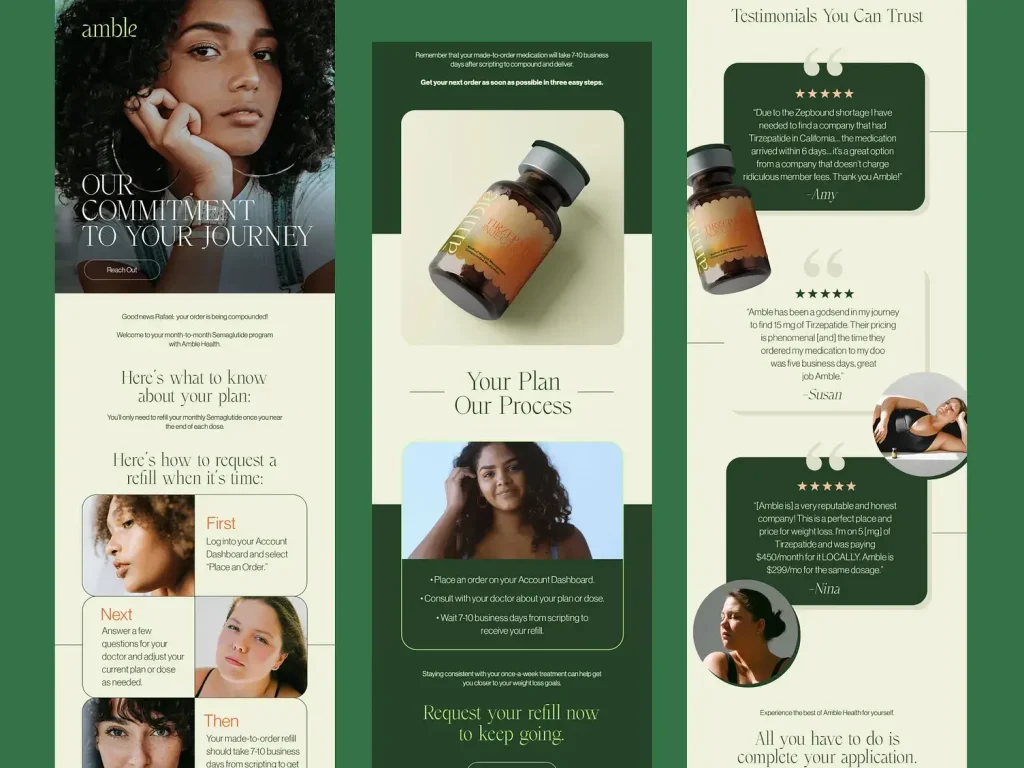
Visuals are just as powerful as words. Pair emotional stories with equally emotional images like smiling faces, your team at work or your product being used in a meaningful moment.
Break up text with quotes and highlights
Emphasize the most emotional parts of your story using:
- Pull quotes
- Bolded phrases
- Italics for impact
This creates visual rhythm and makes key points more memorable.
Create flow: From visual to text to CTA
Design your emails like a guided tour:
- Big visual header
- Narrative body text
- CTA button placed naturally at the end
Tool tip: Use heat maps or A/B testing to optimize button placement and visual hierarchy.
Tools to help build story-based emails
| Tool | Use case |
|---|---|
| Klaviyo | Personalize stories by segment or behavior |
| Canva | Build visual storytelling blocks easily |
| StoryPrompt | Capture authentic video testimonials |
| BeeFree | Create modular email layouts for storytelling |
FAQs: Storytelling in email marketing
Do storytelling emails convert?
Yes, especially when they align with product benefits and include a clear call-to-action.
Can I use storytelling in flows or only campaigns?
Both. Add stories to welcome sequences, product launches, cart abandonments, and even win-back flows.
Should I include multiple stories in one email?
Stick to one story per email to keep your message clear and compelling.
How do I know if my story is working?
Track engagement metrics: open rate, click-through rate, time on email, and replies.
What’s the ideal length for a story email?
150–300 words with strong visuals and easy-to-skim formatting.
Tell stories that sell
Storytelling isn’t a nice-to-have—it’s a must-have in modern ecommerce. It builds emotional resonance, customer loyalty, and long-term growth.
When your brand tells stories, it creates community. And when customers feel like they belong, they buy more, love longer, and spread the word.
Need help crafting story-rich emails that convert?
Let The Mail Effect help you design powerful campaigns that speak to the heart—and drive revenue.