What is an email funnel in ecommerce?
An email funnel is a step-by-step sequence of automated emails designed to move subscribers from first discovering your brand to becoming loyal repeat buyers. Unlike random promotional blasts, funnels are structured with intention: every message has a purpose, and each stage builds trust, removes friction, and nudges customers closer to a purchase.
Think of it as guiding someone through a store with a knowledgeable sales associate. Except it all happens in their inbox.
Tip for ecommerce brands: Start with a clear end goal (first purchase, repeat order, subscription signup) before building your funnel. This ensures each email is not just “sent” but strategically designed to move customers toward that milestone.
Email funnel vs drip campaign
While both funnels and drip campaigns involve automated emails, the difference lies in adaptability.
- Drip campaigns: Send emails at fixed intervals regardless of customer actions.
- Email funnels: React dynamically to what subscribers do (or don’t do).
For example, if someone views a product but doesn’t buy, a funnel might send them reviews or a discount code. If they purchase, the funnel instantly shifts to post-purchase nurturing instead.
Strategy tip: Funnels let you “listen” to your customers at scale. By responding to behavior, you show that your brand pays attention, which increases trust and purchase likelihood.
Why funnels drive compounding revenue
A well-built email funnel isn’t just a one-time sales boost. It’s a revenue engine that compounds over time. Here’s why:
- Runs on autopilot: Once set up, funnels keep working 24/7.
- Warms up cold leads: A casual visitor can eventually become a paying customer.
- Increases lifetime value (CLV): Repeat purchases mean higher profitability per customer.
Pro tip: Focus on long-term relationships rather than one-off sales. Add educational and lifestyle content to your funnels so customers feel nurtured, not just sold to. This builds loyalty and reduces churn. Run A/B testing in all your flows, revisit them every 3 months and optimize.
The 5 core stages of an ecommerce email funnel
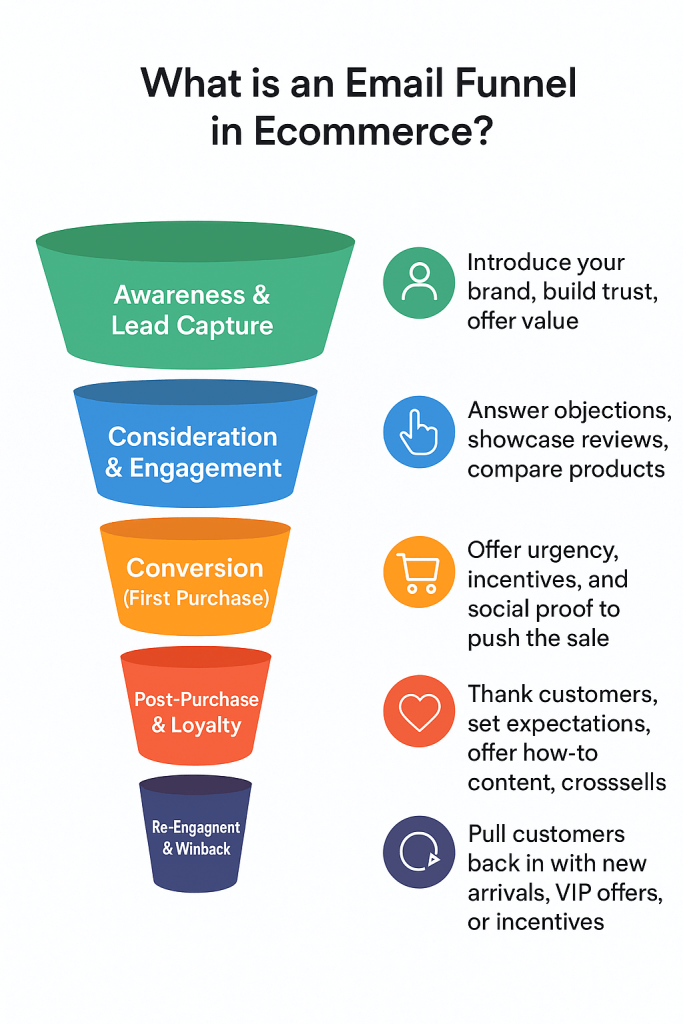
1. Awareness and lead capture
Triggered by: signup form, quiz, or popup.
Goal: introduce your brand, showcase value, and earn trust.
✅ Email Marketing tip: Use a welcome offer (10–15% off) but pair it with a story. Instead of “Here’s your discount,” explain your brand mission and why your products matter. This creates emotional connection from day one.
2. Consideration and engagement
Triggered by: product views, clicks, or browsing categories.
Goal: address objections, showcase benefits, and share social proof.
✅ Email Marketing tip: Send emails comparing bestsellers or featuring customer reviews. Anticipate questions like “Is it worth the price?” or “Will it work for me?” and answer them before the customer asks.
3. Conversion (first purchase)
Triggered by: cart addition or engaged browsing.
Goal: push customers toward checkout with urgency, incentives, and reassurance.
✅ Email Marketing tip: Use a three-step sequence:
- Gentle reminder (1 hour later)
- Social proof + reassurance (12–24 hours later)
- Incentive (optional, but only for holdouts)
This structure ensures you don’t discount too early and still capture full-price sales.
4. Post-purchase and loyalty
Triggered by: order confirmation.
Goal: thank customers, deliver helpful content, and encourage the next purchase.
✅ Email Marketing tip: Don’t stop at “Your order is confirmed.” Instead, send usage guides, styling tips, or recipes depending on your product. This reduces buyer’s remorse and sets the stage for repeat business.
5. Re-engagement and winback
Triggered by: 30–90 days of inactivity.
Goal: bring customers back with relevance and urgency.
✅ Email Marketing tip: Instead of blasting a discount, remind them of their past purchase and suggest related items. If that fails, then use a limited-time incentive as a final nudge.
Essential email flows to include in your funnel
Welcome series
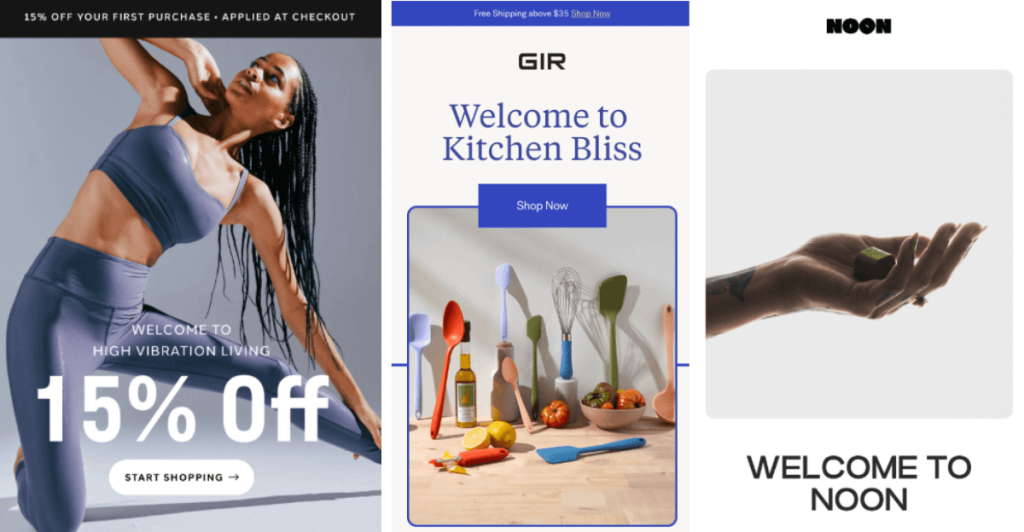
- Introduce your brand story.
- Highlight bestsellers.
- Offer a first-purchase incentive.
Strategy: A strong welcome series increases deliverability because engaged new subscribers are more likely to open and click, training inbox providers to trust your emails.
Abandoned cart sequence
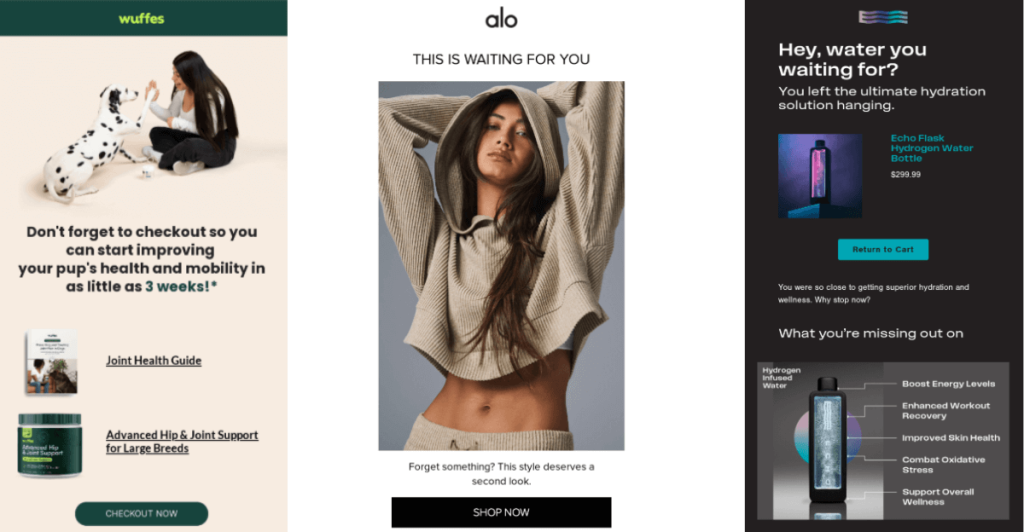
- Reminder: “Forget something?”
- Social proof: reviews or customer photos.
- Incentive (if needed).
Strategy: Cart abandonment emails recover up to 30% of lost revenue. Don’t jump to discounts—start with reassurance and proof first.
Browse abandonment
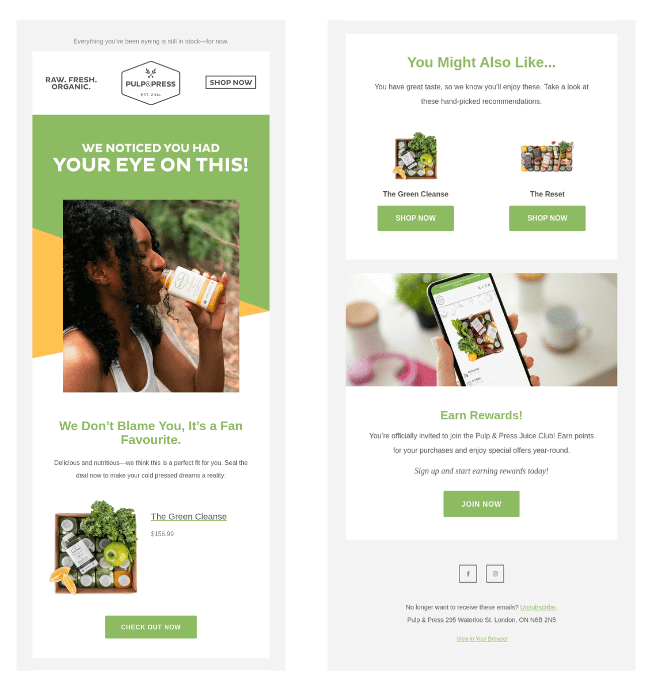
- Triggered by product views with no cart.
- Send personalized recommendations.
Strategy: Subtly remind them of what they viewed. Personalization shows attentiveness without being pushy.
First-time buyer nurture
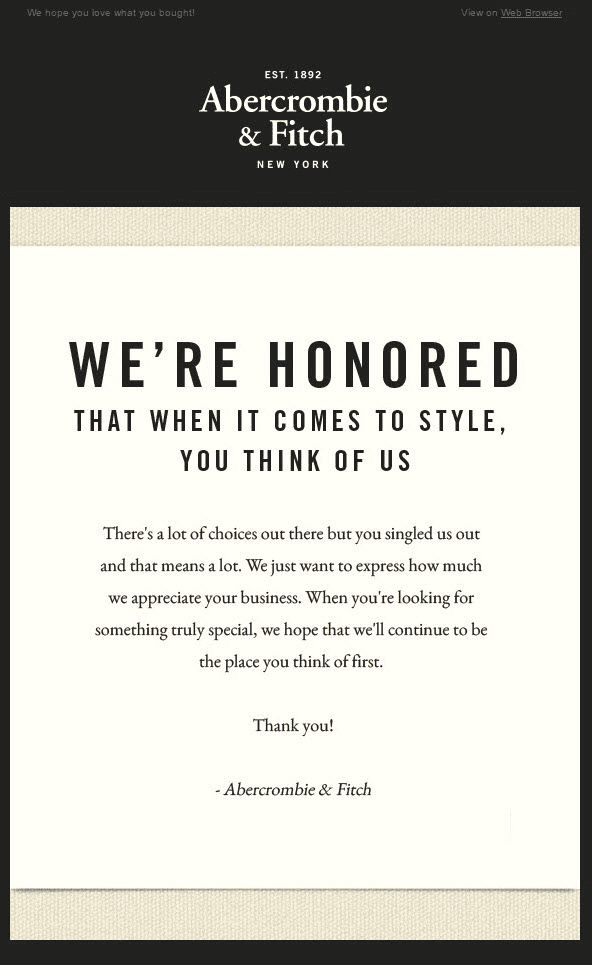
- Thank-you email.
- Product tips.
- “What to try next” email.
Strategy: This is where customer loyalty begins. Instead of focusing on upselling too soon, first make sure customers love what they already bought.
Cross-sell and upsell flow
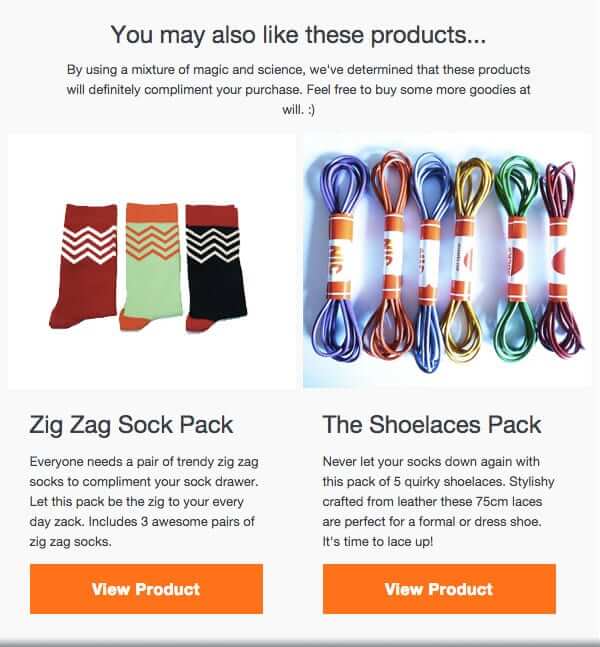
- Recommend complementary items.
- Suggest premium upgrades.
Example: Bought a yoga mat? Suggest yoga blocks or a digital class.
Strategy: This works because customers are already in “buying mode.” Cross-sells increase average order value without needing new traffic.
Replenishment and reorder
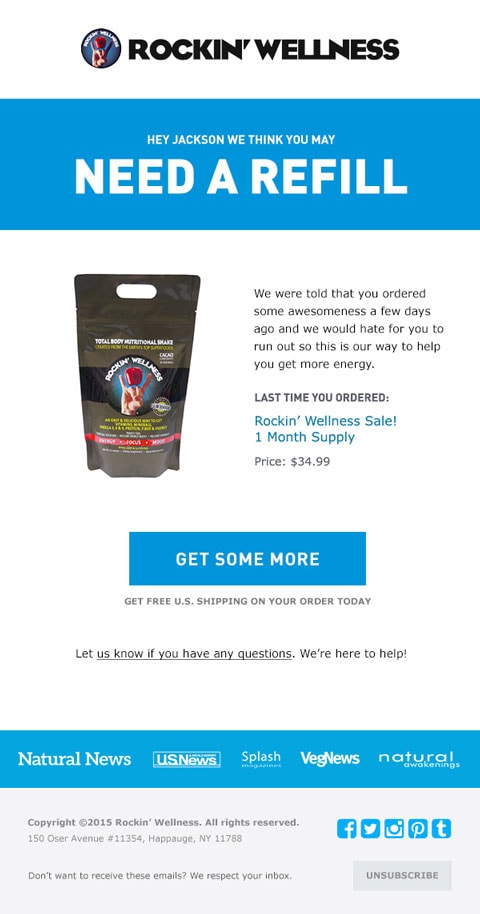
- Works best with consumables (skincare, supplements, coffee).
- Send timed reminders (e.g., 30 days post-purchase).
Strategy: Customers forget. They’ll thank you for the reminder. Frame it as helpful, not salesy.
Winback campaign
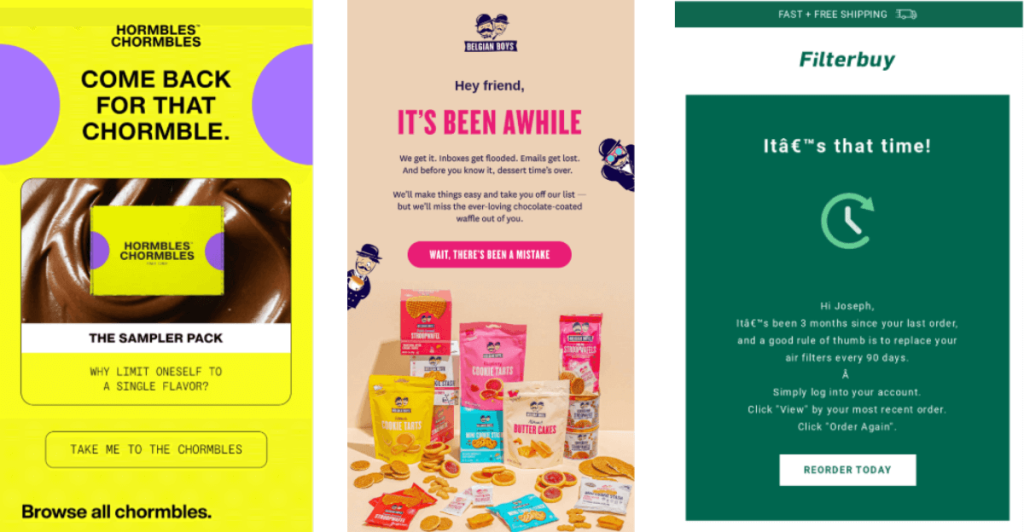
- Triggered after 60–90 days of inactivity.
- Offer exclusive deals, highlight new arrivals.
Strategy: Sometimes customers just need a fresh reason to come back. Use winbacks to re-spark interest before they churn permanently.
How to build your funnel strategy
Map your customer journey
Sketch what users see, what actions they take, and where drop-offs happen. This reveals opportunities for funnel interventions.
Strategy: Visual mapping ensures you’re not just sending emails randomly but plugging leaks in the customer journey.
Define entry points and goals
Ask: Where does the funnel start? What’s the goal?
Strategy: Different entry points need different funnels. A quiz lead is warmer than a discount popup lead, so their funnel messaging should differ.
Add triggers, delays and conditions
Use logic to send the right message at the right time.
Example: If user clicks but doesn’t buy → send reminder. If they purchase → switch to nurture.
Strategy: This avoids overlap and ensures emails feel personalized.
Personalize with data and segments
Segment based on gender, purchase history, VIP status, and engagement.
Strategy: Segmentation prevents unsubscribes. Sending irrelevant emails is the fastest way to lose trust.
Tools that power automated ecommerce funnels
| Tool | Features |
|---|---|
| Klaviyo | Ecommerce-specific flows, predictive analytics |
| Omnisend | Pre-built automation, multi-channel flows |
| ActiveCampaign | Deep CRM + advanced tagging |
| Drip | Visual automation builder + ecommerce playbooks |
| Shopify + ESPs | Seamless data sync for product/behavior triggers |
Strategy: Choose a tool that integrates with your store to unlock smarter automations. For ecommerce, Klaviyo and Omnisend are top-tier choices.
FAQs: email funnels in ecommerce
How many emails should each flow contain?
Typically 2–5, depending on the funnel stage.
Should I automate everything?
Automate core funnels, but also mix in live campaigns for launches and promos.
What metrics should I track?
Funnel completion rate, revenue per recipient, time to repeat purchase, and re-engagement conversions.
Can I run multiple funnels at once?
Yes. With smart filters and priority settings to avoid overlap.
How often should I update my funnels?
Quarterly is best, or whenever product/offer strategy changes.
Funnel smarter, not harder
Email funnels act like digital sales reps working 24/7. They don’t just drive conversions. They build trust, loyalty, and lasting customer relationships.